
Facelift in Jackson, MS
Refresh Your Look with a Facelift by Dr. Dev ManiSundaram
As we age, gravity, sun exposure, and the natural loss of collagen and elasticity can lead to sagging skin, deep creases, and a tired appearance. A facelift (rhytidectomy) can help reverse these changes, restoring a smoother, firmer, and more youthful facial contour. These visible changes reflect the natural facial aging process, which affects the skin, the fat, and the deeper tissues beneath them. Patients may search for a face lift, a deep plane face lift, a facelift, or rhytidectomy, but each term describes surgery to restore a more youthful facial contour.
Dr. Dev ManiSundaram, a board-certified plastic surgeon in Jackson, MS, specializes in advanced facelift techniques that deliver elegant, natural-looking results. With his patient-first approach, expert artistry, and commitment to compassionate care, Dr. Mani tailors each facelift to enhance your individual beauty—without making you look overdone. His facelift procedure options include the deep plane facelift, a technique that addresses the deeper tissues of the face and neck for natural-looking facial rejuvenation.
To explore whether a facelift is right for you, schedule a consultation with Dr. Mani today. Contact us online to book your appointment. We welcome patients from Jackson, Flowood, Madison County, Rankin County, Hinds County, and surrounding areas. During your visit, he will explain the facelift techniques available and which approach may suit your goals.
What Is a Facelift?
A facelift is a surgical procedure that lifts and repositions sagging facial tissue and skin, typically from the midface, jawline, and neck. By tightening the underlying muscles and removing excess skin, a facelift smooths deep lines and restores youthful definition. Facial plastic surgery focuses on the face, head, and neck, and facelift surgery is one form of aesthetic surgery that can address facial aging.
While it won’t change who you are, a facelift can help you look as vibrant on the outside as you feel on the inside. A well-planned facelift aims to preserve your natural facial expression, so friends and family see a refreshed version of you.
Understanding Facial Anatomy
Understanding facial anatomy helps explain why facelift techniques differ. Beneath the skin, the face contains fat, muscle, and a layer of connective tissue called the SMAS, or superficial musculoaponeurotic system. Over time, the facial tissues and underlying tissues loosen, which contributes to sagging cheeks, jowls, and a heavier neck, and SMAS facelift techniques focus on this layer.
Facial anatomy also varies from person to person, which is why Dr. Mani tailors the facelift procedure to your bone structure, skin quality, and facial contours. A thorough understanding of facial anatomy and the aging process also allows a surgeon to plan incisions and tissue handling with care.
Proven Benefits of Facelift Surgery
- Softens deep wrinkles, jowls, and nasolabial folds
- Repositions and tightens underlying tissues
- Removes loose skin from the lower face and neck
- Restores a defined jawline and smooth neck contour
- Achieves long-lasting, natural-looking rejuvenation
- Addresses sagging skin and the deeper tissues together for balanced facial rejuvenation
- Improves facial contours and the overall balance of the face and neck
For patients with aging skin on the neck, neck lift surgery is performed at the same time as a component of facelift for seamless results.When neck surgery is added to a facelift, the face and neck are treated as one unit, which supports a more harmonious result. Dr. Mani will discuss during your consultation whether this neck treatment is appropriate for you.

Why Choose Dr. Dev Mani for Your Facelift in Jackson, MS?
Choosing a facial plastic surgeon isn’t just about credentials; it’s about trust, skill, and connection. Here’s what makes Dr. Mani stand out: A skilled cosmetic surgeon with deep experience in facial plastic surgery can explain your options clearly and help you set realistic goals.
Board-Certified Expertise:
With years of experience performing facelifts and facial rejuvenation procedures, Dr. Mani delivers beautiful, natural-looking results without the “pulled” or artificial look.
A Personal Touch:
Dr. Mani personally conducts every consultation and stays with you throughout your journey, answering questions, checking in the day after surgery, and offering direct phone access post-op.
Clear Communication:
He uses a mirror to walk you through what to expect and simplifies medical terms, so you feel informed and confident. He also explains facial anatomy in simple terms, so you understand how your facelift will address your concerns.
Patient-First Philosophy:
Dr. Mani tells patients the truth, even when that means recommending a delay or different procedure for better long-term results. In facial plastic surgery, honest guidance is as important as technical skill.
Meticulous Technique:
Every procedure is customized to your anatomy and aesthetic goals, with careful attention to incision placement and tissue handling for optimal healing and subtle, graceful enhancement. As a plastic surgeon, he approaches each facelift as a sophisticated surgical technique that requires precision, planning, and respect for your facial structure.
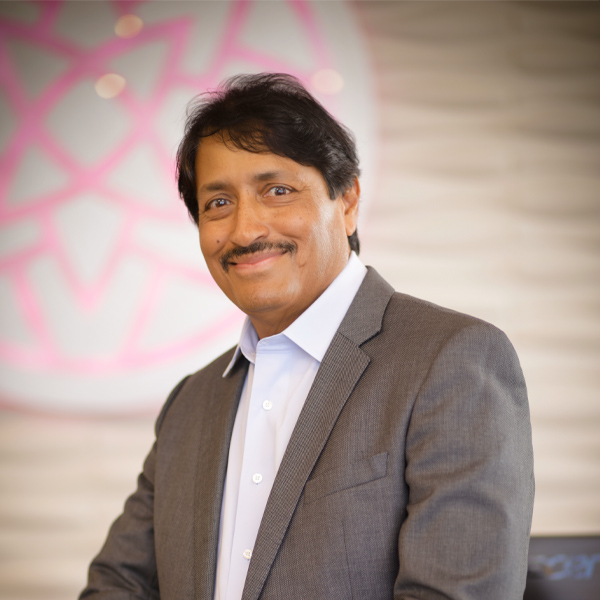
Dr. Dev A. ManiSundaram
Board-Certified Plastic Surgeon
Dr. Mani is dedicated to providing comprehensive care at every step of the journey, ensuring not only exceptional aesthetic results but also an experience that leaves patients feeling fully supported and confident. He understands the profound connection between inner and outer beauty, approaching every procedure with the goal of fostering confidence, empowerment, and well-being. His approach is transparent, down-to-earth, and patient-centered, making each individual feel heard, cared for, and informed. Patients looking for a cosmetic surgeon in Jackson, MS can expect individualized care focused on natural-looking facial rejuvenation. Plastic surgery and aesthetic surgery are as much about listening as they are about technique.


How Does a Facelift Work?
Facelift surgery is designed to address visible signs of aging in the lower two-thirds of the face and neck. It works by repositioning and tightening the deeper facial structures (the SMAS layer), removing excess skin, and smoothing the surface to restore youthful contours. Facelift surgery typically addresses: Depending on the technique, the facelift procedure may tighten the SMAS, or superficial musculoaponeurotic system, and the other deeper tissues that support the skin.
Midface:
Lifts sagging cheeks and softens deep folds around the nose and mouth (nasolabial folds)
Jawline:
Eliminates jowls and redefines the lower face for a cleaner, more youthful profile
Neck:
Tightens skin and underlying structures to smooth “turkey neck,” vertical bands, or fullness under the chin (often combined with a neck lift)
Depending on your goals, a facelift can be customized to target specific areas while preserving your natural expressions and individuality. Dr. Mani uses modern techniques that avoid a tight, pulled look and deliver results that look refreshed, not artificial. Techniques range from a mini facelift to a deep plane facelift and can be combined with a neck lift or other procedures for comprehensive facial rejuvenation.
Facelifts are performed at Dr. Mani’s private, AAAHC-accredited surgical center using gentle anesthesia and a meticulous, patient-tailored approach that minimizes downtime and scarring while optimizing long-term outcomes. Depending on the procedure, Dr. Mani will discuss whether local anesthesia with sedation or general anesthesia is appropriate for you.
What Is a Deep Plane Facelift?
A deep plane facelift, sometimes called a deep plane face lift, is a facelift technique that repositions the deeper tissues of the face, including the SMAS, as one unit rather than lifting the skin alone. Because the deep plane facelift works beneath the superficial layer, it can lift the midface, jawline, and neck in a coordinated way, and the skin is then redraped over the repositioned facial tissues with less tension.
Many patients ask how this deep plane technique differs from a traditional facelift or a SMAS facelift. A traditional facelift typically tightens the skin and the SMAS layer separately, while the deep plane approach repositions the skin and deeper tissues together. A SMAS facelift can be an effective option for some patients, and Dr. Mani will explain which facelift technique is the right fit for your facial anatomy and goals.
What to Expect from a Deep Plane Facelift Procedure
The deep plane facelift procedure is a surgical procedure that requires careful planning around your anatomy. Incisions are typically placed around the ears and hairline, and Dr. Mani places them with care to minimize visible scarring. During your consultation, he will review the deep plane facelift surgery steps, including the anesthesia plan, so you know what to expect.
Is a Deep Plane Facelift Right for You?
Patients who may benefit from a deep plane facelift often have sagging cheeks, deep nasolabial folds, jowls, or laxity along the jawline and neck. Because every face is different, the deep plane technique is not right for everyone, and a mini facelift, a SMAS facelift, or another option may suit patients with milder concerns.
As with any facelift surgery, risks may include bleeding, infection, scarring, and, rarely, facial nerve injury, which Dr. Mani will review with you during your consultation. Deep plane facelift surgery is a type of facial rejuvenation surgery and a form of facial plastic surgery, so choosing an experienced facial plastic surgeon who performs it regularly can help you feel confident about your care.

Who Is a Good Candidate for a Facelift?
You may benefit from facelift surgery if:
- You’re between 45 and 75 and want a long-term solution for sagging skin
- You have jowls, neck laxity, or deep facial folds
- You want to look more refreshed but still like yourself
- You are in good health and have realistic expectations
- You notice early signs of aging, such as sagging skin or deep wrinkles, and want to address facial aging
Not quite ready for surgery? Dr. Mani also offers non-surgical options like liquid facelift and laser resurfacing to smooth and firm the skin with minimal downtime. A liquid facelift, sometimes called a nonsurgical facelift, uses dermal fillers to restore volume, while laser treatments can improve skin quality and texture. These options may delay the need for a facelift for some patients but do not lift the deeper tissues the way surgery does. Lines around the upper lip are not typically corrected by a facelift alone, so complementary options may be discussed.
What to Expect During Your Facelift in Flowood, MS
Step 1: In-Depth Consultation
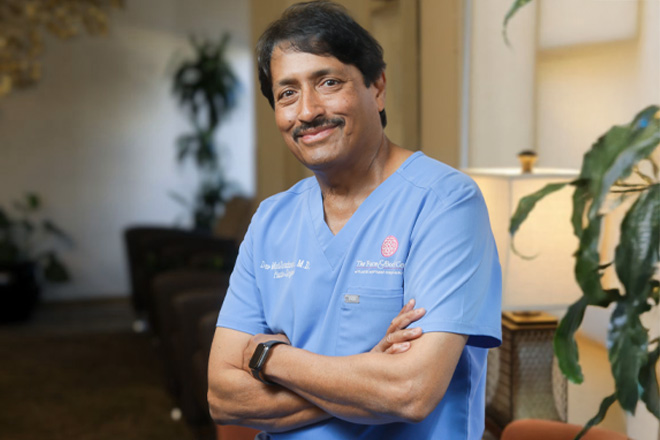
Dr. Mani will examine your facial structure and skin elasticity in front of a mirror, discuss your goals, and develop a custom surgical plan. He will explain what the procedure involves, how long results can last, and walk you through the recovery process. During this visit, he will review your medical history, facial anatomy, and skin quality, and explain which facelift techniques may help you reach your goals.
Step 2: Facelift Surgery Day
Performed at Dr. Mani’s private surgical suite under general anesthesia, the facelift typically involves:
- Hidden incisions around the ears and possibly under the chin
- Lifting and tightening the SMAS layer (deep connective tissue)
- Removal of excess skin and precise redraping for a natural finish
- Lifting of the underlying muscles and deeper tissues, followed by redraping of the remaining skin
Whether the plan involves a SMAS facelift or a deep plane facelift, the procedure is tailored to your goals, anatomy, and overall health.


Step 3: Facelift Recovery
Dr. Mani provides direct access and thorough follow-up to ensure a smooth recovery.
- Mild bruising and swelling for 1–2 weeks
- Return to light activities in about 10–14 days
- Full healing and final results within 3–6 months
To support healing, cold compresses may help reduce swelling during the early days, and keeping your head elevated while you rest can also help. Bruising is common because small blood vessels near the skin’s surface are affected during surgery. Healing after a deep plane facelift varies by patient, and Dr. Mani will provide personalized aftercare instructions for your facelift recovery.
How Much Does a Facelift Cost in Jackson, MS?
The cost of a facelift varies based on the complexity of the procedure and whether additional treatments are combined. A detailed quote will be provided at your consultation. Factors may include the facelift technique, whether a neck lift is added, and the extent of your facelift procedure. Because a facelift is an elective surgical procedure and a cosmetic procedure, it is typically not covered by insurance. Any facial plastic surgeon you consult should be able to provide a clear, itemized quote.
Schedule Your Facelift Consultation
If you’re ready to turn back the clock and feel more confident in your appearance, contact Dr. Dev ManiSundaram today. We invite you to schedule a consultation via our quick online form. Our office is located in Flowood, MS, and we proudly serve patients from Starkville, Cleveland, Brookhaven, Hattiesburg, Madison County, Rankin County, and Hinds County. During your visit, you can ask about facelift surgery, facelift techniques, and what a comprehensive facial rejuvenation plan might include. Aesthetic surgery is a personal decision, and facial plastic surgery should always begin with a conversation about your goals.
FAQs: Facelift in Jackson, MS
Yes! Dr. Mani’s approach is to enhance, not alter – his goal is a refreshed version of you. A natural-looking facelift aims to preserve your facial expression and facial contours.
Most patients enjoy results for 8–12 years or more, depending on skin quality and lifestyle. Because the aging process continues after any facelift, results can vary, and healthy skin care may help maintain them.
Incisions are placed in natural creases and hairlines and typically fade well over time. Dr. Mani plans incisions to minimize visible scarring, and many patients find that scars blend into natural creases and hairlines.
Yes! Many patients choose to combine their facelift with eyelid surgery, or fat grafting for a more complete rejuvenation. A comprehensive facial rejuvenation plan might also include an eyelid lift, fat transfer, or a neck lift. Your facial plastic surgeon can help you decide which combination suits you.
A full facelift addresses sagging in the midface, jawline, and neck. A mini facelift is less invasive and focuses on early signs of aging in the lower face and jawline. Mini facelifts offer a shorter recovery time but may not be suitable for more advanced aging concerns. Depending on the technique, a mini facelift may be performed with local anesthesia, and Dr. Mani will recommend the approach that suits your anatomy.
While a facelift includes a neck lift, a facelift focuses on the lower face and jawline, while a neck lift targets loose skin, muscle bands, and excess fat in the neck area. Dr. Mani will discuss whether a neck lift should be added to your facelift for a more balanced face and neck.
There’s no “perfect” age, but most facelift patients are between 45 and 75. If you’re seeing signs like jowls, deep folds, or a sagging neck that don’t respond to non-surgical treatments, it may be time to consider surgery. When you consult a facial plastic surgeon, skin quality, facial anatomy, and the degree of facial aging also play a role.
Yes! Many patients choose to combine a facelift with eyelid surgery (blepharoplasty) or a brow lift for total facial rejuvenation. Dr. Mani can help you decide which combination best fits your goals during your consultation. A facelift paired with an eyelid lift or brow lift is one way to create comprehensive facial rejuvenation.
Most patients feel comfortable returning to work or social events after about 10–14 days. Makeup can help conceal any lingering bruising, and swelling typically continues to improve over several weeks. Your cosmetic surgeon will give personalized guidance on returning to work.
To prolong your facelift results, maintain a healthy lifestyle, avoid sun damage, follow a quality skincare routine, and consider periodic treatments like laser resurfacing, Botox, or dermal fillers for touch-ups. Protecting your skin and avoiding sun exposure may also help your facial rejuvenation results last, and your cosmetic surgeon can recommend a maintenance plan.
A traditional facelift does not address the upper face. For concerns like forehead lines or droopy eyelids, Dr. Mani may recommend a brow lift or eyelid surgery as complementary procedures. A facelift focuses on the lower face, midface, and neck, so an eyelid lift may be recommended for the eye area.
Most patients report mild to moderate discomfort that is easily managed with prescribed medication. A sensation of tightness or numbness is also normal during early healing but improves with time. Bruising and swelling occur as small blood vessels heal, and both typically fade over the following weeks. Your cosmetic surgeon will explain what to expect.
Dr. Mani’s approach is all about subtle, natural enhancement. Rather than dramatically changing your appearance, the goal is for others to notice that you look refreshed, rested, and more youthful—not “done.” A skilled facial plastic surgeon aims for subtle facial rejuvenation that preserves your facial expression and supports a more youthful appearance.
A deep plane facelift lifts the deeper facial tissues (not just the skin) for more natural, longer-lasting results. It’s especially effective for lifting the cheeks, jawline, and deep folds without looking tight or overdone. Dr. Mani will let you know if this advanced technique is right for you. In a deep plane facelift, the surgeon lifts the superficial musculoaponeurotic system, or SMAS, and the skin together, which is why the deep plane facelift technique is often described as a natural way to soften deep nasolabial folds and restore facial contours. Dr. Mani can explain whether the deep plane approach suits your facial anatomy.
Dr. Mani generally advises patients to keep their face out of the sun for several weeks after surgery. Sun protection helps prevent sunburn on healing skin, and it may also help scars heal inconspicuously. He will explain which sun protection steps to follow during your recovery.
Facelift recovery typically takes about two to three weeks, and many patients feel comfortable returning to work within that window. Recovery time can vary with the technique used. A mini facelift generally involves less downtime than a full facelift, which often takes roughly 14 days to recover from. Deep plane and traditional facelifts may require a longer recovery period than a mini facelift. Dr. Mani will review what to expect for your procedure during your consultation.
Swelling and bruising usually peak within the first two to three days after a facelift and then improve gradually. Most patients find that bruising becomes much less noticeable after about 10 to 14 days, although initial swelling and bruising from a surgical facelift can take two to four weeks to subside. Subtle swelling may linger for up to six months, and final results typically mature around the one-year mark.
Patients are generally advised to keep their head elevated while resting and to avoid strenuous activity for at least two weeks. Both steps may help minimize swelling and support healing. Dr. Mani will give you personalized aftercare instructions, including when you can safely resume exercise.
A facelift typically lasts about 7 to 15 years. Because the aging process continues, patients generally still look younger than they would have without surgery, even after those years have passed. Results vary based on skin quality, genetics, and lifestyle.
As with any surgery, a facelift carries risks. These include hematoma (a collection of blood under the skin), infection, scarring, and skin healing problems. Hematomas have been reported in fewer than two percent of cases. Infection and skin ischemia, which is reduced blood flow that can cause the skin to slough, have each been reported in fewer than one percent of cases. Skin problems are more likely to occur near the ear. Dr. Mani will review these risks and how they are managed during your consultation.
Taking anticoagulant (blood-thinning) medication or having poorly controlled high blood pressure may increase the risk of a hematoma. Please tell Dr. Mani about all medications and any blood pressure concerns, and do not stop any medication without his guidance. A hematoma needs prompt attention to help prevent complications such as infection or skin necrosis, so contact the office right away if you notice sudden swelling or pain on one side of your face.
Incisions are placed so that scars are concealed, but some patients may develop scars that are thickened, raised, or widened. Following your aftercare instructions and protecting your skin from the sun may help scars heal as inconspicuously as possible. If a scar does not heal as expected, Dr. Mani can discuss options with you.
Nerve injury is possible after a facelift, and it may temporarily or, rarely, permanently affect facial sensation or movement. Facial nerve injury is reported to be uncommon, and permanent injury is extremely uncommon. Dr. Mani will explain how he works to protect the facial nerves.
Some research suggests the deep plane technique may be associated with a lower risk of certain complications than more superficial techniques, in part because it can improve blood flow to the repositioned tissue and allow the skin to close without tension. Every patient is different, and the right technique depends on your anatomy and goals. Dr. Mani will discuss whether a deep plane facelift is appropriate for you.